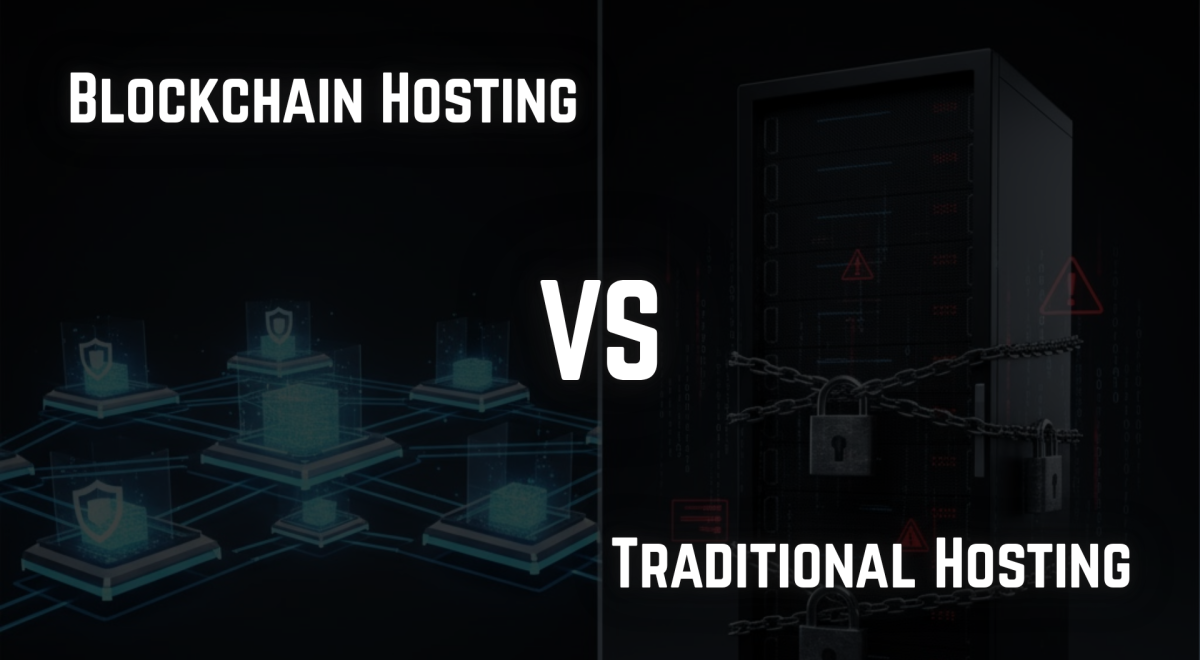
Blockchain hosting vs traditional hosting security is a critical topic for website owners seeking reliable and secure solutions. With increasing cyber threats, choosing the right hosting model can protect sensitive data, ensure uptime, and enhance trust for users. Understanding the differences between blockchain hosting and traditional hosting security is essential for businesses, developers, and tech enthusiasts.
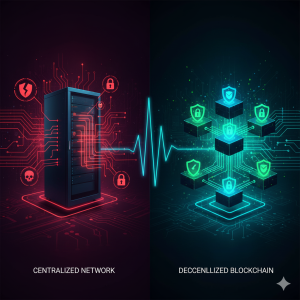
Decentralized Data Storage vs Centralized Servers
Blockchain hosting offers decentralized data storage across multiple nodes, which makes it inherently more secure than centralized traditional hosting. In traditional hosting, all website files are stored on single or clustered servers. While modern servers have firewalls, SSL encryption, and monitoring tools, they are still vulnerable to hacks, data breaches, and server failures. Blockchain hosting reduces these risks because every transaction or change is recorded on an immutable ledger, ensuring that tampering is virtually impossible.

Enhanced Transparency and Auditability
One key advantage of blockchain hosting is transparency. Every update is logged across the network, allowing administrators to audit data changes easily. Traditional hosting does not provide the same level of auditability, leaving organizations dependent on internal logs that may be incomplete or manipulated. Businesses handling sensitive information, such as financial data, e-commerce transactions, or health records, can benefit from the added transparency and reliability of blockchain hosting. Platforms like HostAnytime offer user-friendly blockchain hosting solutions that simplify adoption for companies of all sizes.
High Uptime and Reliability
Another critical aspect is uptime reliability. Blockchain hosting uses multiple nodes to serve website content, meaning that even if one node fails, others maintain operations. Traditional hosting can suffer from server outages that lead to downtime and lost revenue. High availability is crucial for online businesses, and blockchain hosting ensures consistent access without sacrificing performance. According to CloudPanel.io, decentralized hosting architectures provide superior resilience against single points of failure compared to traditional setups.
Superior Security Measures

Security is also a primary concern. While traditional hosting employs measures like firewalls, malware scanners, and intrusion detection systems, centralized servers are still susceptible to sophisticated attacks, ransomware, and DDoS attempts. Blockchain hosting mitigates these risks by distributing data across a secure network and using consensus protocols to validate changes. Even if one node is compromised, the rest of the network protects the integrity of the website. A study by TechTarget highlights that blockchain structures enhance trust and reduce vulnerabilities compared to centralized databases.
Cost and Technical Considerations
Cost and complexity are factors to consider when choosing between blockchain hosting and traditional hosting security. While blockchain hosting can be more expensive due to infrastructure requirements, it is worth the investment for websites that prioritize security, compliance, and transparency. Small businesses or startups may start with hybrid models or managed blockchain hosting platforms that reduce technical complexity.
Choosing the Right Hosting Solution
Key considerations when selecting between blockchain hosting vs traditional hosting security include the sensitivity of your data, regulatory compliance needs, expected website traffic, and the importance of uptime reliability. Businesses dealing with financial transactions, medical data, or proprietary content should lean toward blockchain hosting for enhanced security. On the other hand, simple websites or personal blogs may continue to use traditional hosting without major risks.
FAQs about Blockchain Hosting vs Traditional Hosting Security
- What is Blockchain hosting vs traditional hosting security?
Blockchain hosting vs traditional hosting security refers to the difference between decentralized data management and centralized web servers. In blockchain hosting, data is distributed across multiple nodes, thereby increasing transparency and eliminating a single point of failure. Traditional hosting security, on the other hand, relies on a central server that is more vulnerable to hacking, outages, and unauthorized access. Understanding blockchain hosting vs traditional hosting security helps businesses choose the best option for website safety.
- Why is Blockchain hosting vs traditional hosting security important for businesses?
Blockchain hosting vs traditional hosting security matters because it determines how well your data and applications are protected. Businesses that prioritize cybersecurity can benefit from blockchain’s decentralized system, ensuring every data transaction is verifiable and tamper-proof. In contrast, traditional hosting security depends on provider-managed defenses, which may not always prevent breaches. For industries like fintech, e-commerce, and healthcare, blockchain hosting vs traditional hosting security can define long-term trust and compliance.
- How does Blockchain hosting vs traditional hosting security affect website uptime and reliability?
In blockchain hosting vs traditional hosting security comparisons, uptime is one of the key advantages. Since blockchain hosting distributes data across multiple nodes, your site remains live even if one server fails. Traditional hosting depends on a single data center, where downtime can interrupt service. Thus, blockchain hosting vs traditional hosting security directly impacts your website’s reliability and resilience.
- Is Blockchain hosting vs traditional hosting security cost-effective?
Blockchain hosting vs traditional hosting security can differ in pricing, but blockchain solutions often offer better long-term value. While initial setup costs might be higher, decentralized systems reduce the risk of data loss, expensive recovery, and server failures. When comparing blockchain hosting vs traditional hosting security, businesses find that investing in blockchain ensures more predictable, sustainable protection.
- Where can I find reliable services that focus on Blockchain hosting vs traditional hosting security
Many hosting providers are beginning to offer hybrid or fully decentralized solutions. Platforms like HostAnytime deliver reliable hosting that aligns with the future of web technology. They help businesses understand the difference between blockchain hosting vs traditional hosting security and implement solutions that prioritize both innovation and protection.
Conclusion
The debate over blockchain hosting vs traditional hosting security is more relevant than ever in today’s digital environment. Businesses that depend on their online presence must carefully evaluate blockchain hosting vs traditional hosting security before making hosting decisions. With blockchain’s decentralized structure, data integrity and uptime are maintained at superior levels compared to centralized servers.
When analyzing blockchain hosting vs traditional hosting security, it becomes clear that traditional servers still serve basic websites but fall short for businesses that value transparency, reliability, and long-term safety. Blockchain hosting ensures each transaction is verifiable, while traditional systems often lack such visibility.
Adopting modern, decentralized technology is no longer a luxury—it’s a necessity. By understanding blockchain hosting vs traditional hosting security, businesses can future-proof their digital operations and build stronger trust with customers. Hosting providers like HostAnytime offer flexible, high-performance hosting that merges innovation and security—exactly what’s needed in a fast-evolving online world.
Ultimately, choosing blockchain hosting vs traditional hosting security isn’t just about speed or cost; it’s about the foundation of digital trust and data safety that defines your brand’s future success.